


The act of tipping has long been an integral part of the dining experience in the United States. However, recent years have witnessed a notable shift in the restaurant industry, with some establishments adopting a no-tipping policy. This change, aimed at transforming the dynamics of compensation and customer interaction, has sparked intriguing conversations. “Perspectives from U.S. Restaurants Without Tipping” delves into this evolving landscape, exploring the impact on employees, customer perceptions, and the broader dining culture.
 Opens in a new window
 www.ricksteves.com
Table of Contents
1. The Tradition of Tipping: An Overview
Tipping is deeply ingrained in American dining culture, with customers voluntarily leaving gratuities to reward service quality. This tradition dates back centuries and has shaped the dynamics between customers and restaurant staff.
 Opens in a new window
 admycity.com
2. Shifting Paradigms: Restaurants Embracing No Tipping
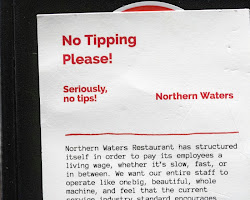
In recent times, an increasing number of U.S. restaurants have adopted a no-tipping policy. The rationale behind this paradigm shift is to provide stable wages for employees and create a more equitable compensation structure.
 Opens in a new window
 www.duluthnewstribune.com
3. Impact on Employee Wages and Job Satisfaction
One of the primary motivations for eliminating tipping is to ensure that restaurant employees receive consistent wages. This change aims to alleviate the financial uncertainty that often plagues tipped workers and improve overall job satisfaction.
 Opens in a new window
 projects.fivethirtyeight.com
4. Pricing Structure and Customer Perception
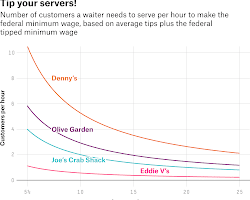
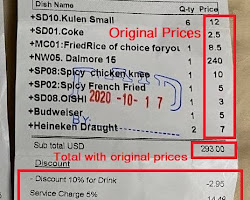
The absence of tipping prompts restaurants to restructure their pricing. Menu prices are adjusted to include service charges previously covered by tips. This shift in pricing can affect customer perceptions of value and affordability.
 Opens in a new window
 forum.sambapos.com
5. Customer Reactions and Adaptation
The transition to a no-tipping model has evoked mixed reactions from customers. Some patrons appreciate the transparency in pricing, while others find it challenging to relinquish control over tipping based on personal experiences.
 Opens in a new window
 www.questionpro.com
6. The Role of Service Quality in a No Tipping Model
Without the direct link between tipping and service quality, the focus shifts to providing exceptional service as a fundamental aspect of the dining experience. Staff performance is intrinsically tied to guest satisfaction.
7. Lessons from International No Tipping Cultures
Looking beyond U.S. borders, international cultures with no-tipping norms offer valuable insights. Countries like Japan and Australia operate without tipping, relying on higher base wages to compensate employees.
8. Navigating Challenges and Sustainability
Transitioning to a no-tipping model isn’t without challenges. Restaurants must carefully balance pricing, employee compensation, and operational costs to ensure the sustainability of this approach.
 Opens in a new window
 www.eater.com
9. The Future of Tipping in U.S. Dining
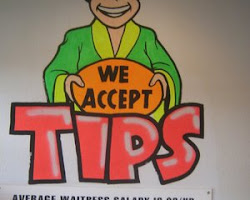
As the landscape of U.S. dining evolves, the future of tipping remains uncertain. Some establishments continue to champion the no-tipping approach, while others retain the traditional tipping model.
 Opens in a new window
 m.yelp.com
10. Consumer Education and Cultural Change
Shifting dining norms necessitate consumer education. Understanding the motivations behind no tipping and its implications can foster a cultural change in how diners perceive their role in the dining experience.
 Opens in a new window
 www.thelancet.com
11. Upholding Hospitality and Service Excellence
While the mechanics of tipping may change, the essence of hospitality and service excellence remains paramount. Restaurants, whether adhering to tipping or adopting a no-tipping policy, must uphold the highest standards of guest satisfaction and culinary craftsmanship.
12. The Equitable Compensation Conversation
The no-tipping movement is a response to the inequities within the hospitality industry. It initiates conversations about fair wages, income stability, and the recognition of all team members who contribute to the dining experience.
 Opens in a new window
 en.wikipedia.org
13. Bridging the Gap Between Customers and Staff
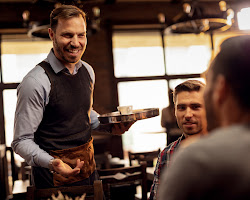
The dynamics between customers and restaurant staff are evolving. The no-tipping model seeks to foster a more egalitarian relationship, emphasizing mutual respect and recognition for the value each party brings to the table.
 Opens in a new window
 www.eatthis.com
14. The Path Forward: Finding Common Ground
As the dining landscape continues to transform, finding common ground is essential. Whether tipping or no-tipping, the goal is to create an environment where employees are fairly compensated, guests feel valued, and the joy of dining remains unmarred.
15. A New Era of Culinary Exploration
“Perspectives from U.S. Restaurants Without Tipping” signifies the dawn of a new era of culinary exploration. It prompts diners, restaurant owners, and industry professionals to contemplate the broader implications of their choices and their impact on a cherished tradition.
 Opens in a new window
 www.nytimes.com
16. Embracing Diversity of Approach
The beauty of the culinary world lies in its diversity. Just as dishes from different cultures enrich our palates, varied approaches to compensation and tipping enrich the dining experience. Embrace the diversity, and allow it to inspire dialogue and innovation.
 Opens in a new window
 www.cbc.ca
17. Shaping the Culinary Narrative
The narrative of the culinary industry is shaped by the decisions of its stakeholders. Each restaurant, each diner, and each chef contributes to the ongoing story of gastronomy. As we navigate this evolving narrative, we have the opportunity to leave our mark.
 Opens in a new windowwww.nytimes.com
18. A Taste of What’s to Come
The future of U.S. restaurants without tipping is a realm of possibility. It’s a canvas upon which chefs, servers, and diners can collaboratively paint a portrait of a dining experience that transcends convention and ushers in a new era of appreciation.
 Opens in a new window
 nola.eater.com
“Beyond plates and palates, the transformation of dining dynamics echoes societal changes, paving the way for a new era of culinary appreciation.”
John Davis
Conclusion: An Ever-Changing Dining Landscape
In the ever-changing dining landscape, “Perspectives from U.S. Restaurants Without Tipping” illustrates that decisions about tipping transcend financial transactions. They mirror our evolving attitudes towards work, service, and compensation. As restaurants across the country make choices that resonate with their ethos, it’s clear that dining is an experience that extends beyond the plate. It’s a celebration of culture, community, and the shared moments that make breaking bread a timeless tradition.
Read more articles